Working with children & young people
A space to be met where they are.
Working therapeutically with children and young people has become an important part of my professional experience, particularly through my work within school settings.
My work with young people has shown me how much can be held beneath what we see on the surface. A change in behaviour, difficulty at school, conflict with friends, withdrawal, frustration or a loss of confidence can sometimes be ways of expressing something that is difficult to put into words.
I try to meet each young person with curiosity rather than assumptions. Together, we can begin to make sense of what they are experiencing, at a pace that feels right for them.
I also recognise that a child or adolescent is never separate from the world around them. Family, school, friendships, expectations, culture and significant life experiences all form part of their world. Understanding some of this wider context can help us better understand the young person themselves.

Not everything needs to be spoken.
Children and adolescents do not always experience therapy in the same way adults do. Sometimes talking comes naturally; sometimes it doesn't.
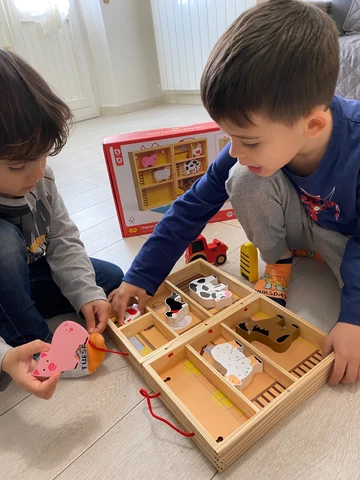
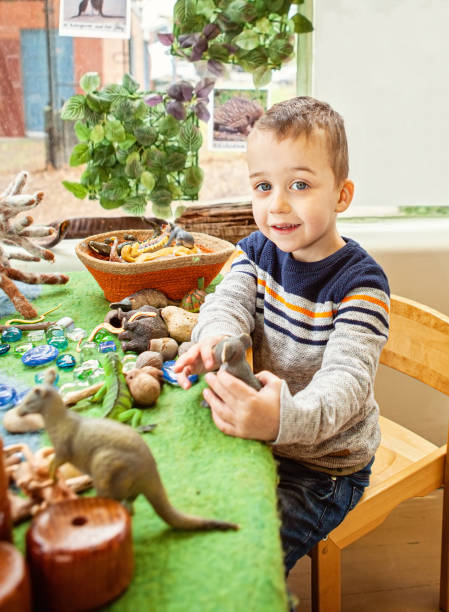
Depending on the young person, our work might include conversation, drawing, creative activities, play, movement or simply having space to be together and notice what is happening.
I don't expect a child to arrive knowing exactly what they need to say. Part of the work can be discovering their own way of expressing what is difficult, confusing or important to them.

Making space for what is happening inside.
Growing up can bring emotions that feel confusing, overwhelming or difficult to manage. A young person may struggle to understand what they are feeling, or may know exactly what they feel but not know what to do with it.
Therapy can offer a place to slow down and become curious about these experiences — noticing emotions, thoughts and bodily responses, and exploring how they show up in everyday life and relationships.
Rather than trying to make difficult feelings disappear, we can work towards understanding them and finding ways of responding that feel more possible.
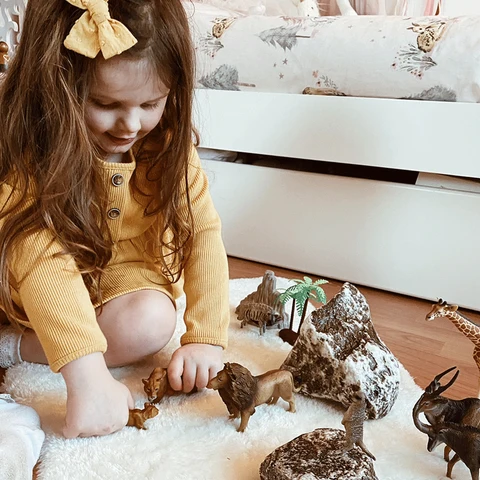
Finding a place in the world around them.
Friendships, family relationships, belonging and identity can become especially important during childhood and adolescence.
Young people may be figuring out who they are, where they fit, how they are seen by others and what they want for themselves. At times, relationships can feel complicated or painful, and the pressure to belong can be difficult to navigate.
Therapy can provide a space where these experiences can be explored openly — without judgement, pressure or the expectation of having everything figured out.
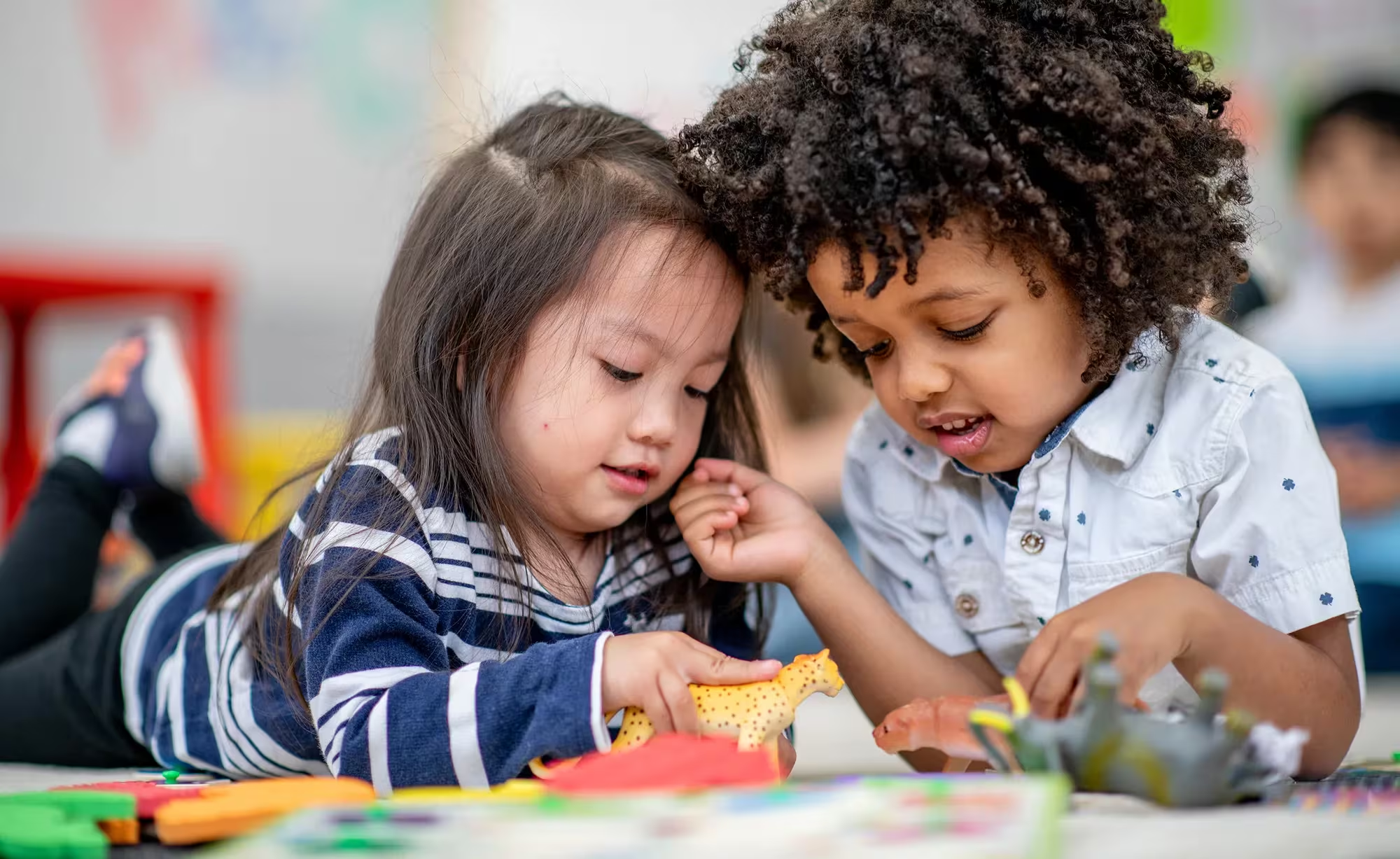
A young person is part of a bigger world.
A child or adolescent's experience is shaped by the relationships and environments around them. Family life, school, friendships, culture, expectations and significant changes can all become part of what they carry.
My experience of working within school settings has helped me appreciate the importance of seeing the young person within this wider context. At the same time, therapy remains a space that belongs to them — a place where their own experience, perspective and voice can be explored with curiosity and care.
Where appropriate, and with the relevant boundaries around confidentiality, working alongside parents or other adults in a young person's life can also form part of supporting them.
If you feel you could use some support
Sometimes we simply need a little space to pause, reflect and make sense of what we are experiencing.
If there is something you or your young person would like some support with, feel free to reach out. You don't need to have all the answers before starting a conversation.
Get in touch